Texas · Auto insurance
What to Do After a Car Accident in Texas: Steps, Reports and Your Claim
The steps at the scene, what Texas law requires of you, how to get the crash report, which insurance company pays, and the deadlines your own insurer has to meet.

In short
After a car accident in Texas, stop at or near the scene, check for injuries and call 911 if anyone is hurt or a car cannot be driven safely. Exchange names, addresses, plate numbers and insurance details, take photos and get witness contacts. Report the crash to your own insurance company even if the other driver was at fault. Your insurer must acknowledge the claim within 15 days and decide within 15 business days of receiving what it needs.
- Texas law requires you to stop, give your name, address, vehicle registration number and insurer, and help anyone who is injured.
- You must notify police right away if someone is injured or killed or a vehicle cannot be normally and safely driven.
- On a metro-area freeway, if the cars can be driven, move them off the main lanes to exchange information.
- Your own insurer must acknowledge a claim within 15 days, accept or reject it within 15 business days of getting what it needs, and pay within 5 business days after agreeing to pay.
- You can choose your own body shop. An insurer cannot require you to use a shop on its list.
In this article
- What should I do in the first few minutes?
- What does Texas law require me to do at the scene?
- When is a police report made, and how do I get a copy?
- Who pays: my insurance company or the other driver's?
- How fast does my insurance company have to act on my claim?
- What are my rights when the car is repaired or totaled?
- What mistakes cost people money after a crash?
You have just been in a crash, or you want to know what to do before one happens. In Texas the order is: stop, check for injuries, call for help when the law requires it, trade information, document everything, and tell your insurance company. The rest of this page explains each step, what state law expects of you and how the claim moves from there.
What should I do in the first few minutes?
Keep it simple. This is the list to save on your phone.
- Stop. Stay at the scene or as close to it as you safely can.
- Check for injuries. Yours, your passengers' and the other people involved. Call 911 if anyone is hurt.
- Move out of traffic if you can. If no one is hurt and the cars can be driven, the Texas Department of Insurance (TDI) says to move them out of the road.
- Call the police when required, or when the other driver leaves or will not share insurance details.
- Trade information. Photograph the other driver's insurance card and driver's license. If there is no card, get their name, phone number, insurance company and policy number.
- Photograph the scene. Vehicles, license plates, damage, street signs and the road.
- Get witnesses' names and phone numbers.
- Write down the location, time, weather and what happened.
- Note the officer's name and badge number.
- Report the crash to your insurance company, using the claims number on your insurance card.
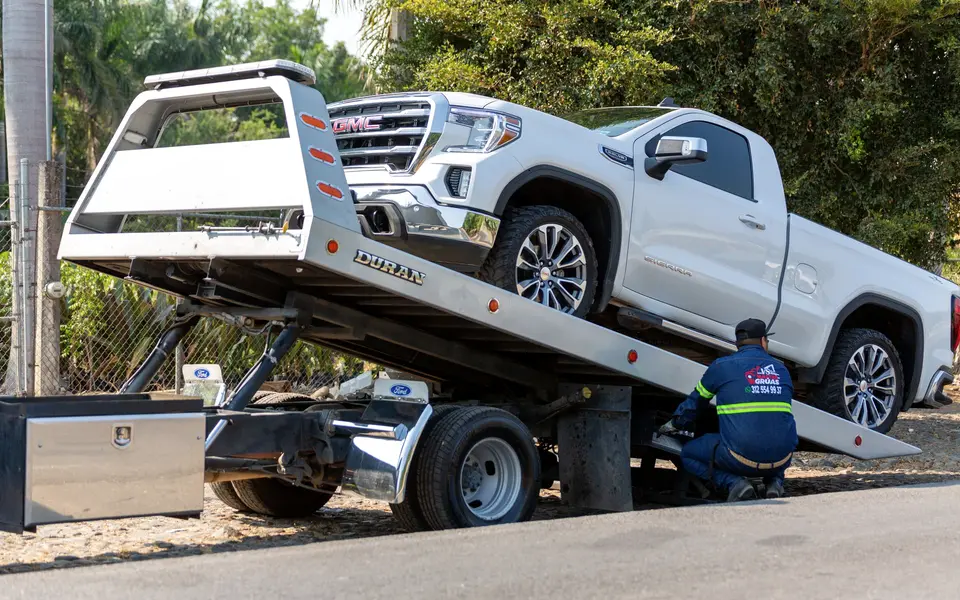
If your car cannot be driven, TDI notes that police will call a tow truck and that you can have it taken to a storage lot or body shop of your choice.
What does Texas law require me to do at the scene?
The duties are in Chapter 550 of the Transportation Code, and they apply whether or not you caused the crash.
Your legal duties after a crash in Texas
| Situation | What you must do | Transportation Code |
|---|---|---|
| Someone is injured or may be injured | Stop at once, check whether anyone needs aid, stay until you have given your information and reasonable help | 550.021, 550.023 |
| Only vehicles are damaged | Stop at or near the scene without blocking traffic more than necessary, and stay until you have exchanged information | 550.022 |
| Crash on a freeway in a metropolitan area and the cars can be driven | Move as soon as possible to a frontage road, cross street or other suitable place to exchange information | 550.022 |
| Any crash with an occupied vehicle | Give your name and address, your vehicle's registration number and the name of your liability insurer. Show your driver's license if asked. | 550.023 |
| Someone needs medical care | Give reasonable help, including arranging transport to a doctor or hospital | 550.023 |
| You hit an unattended vehicle | Find the owner, or leave a visible written note with your name and address and what happened | 550.024 |
| Injury, death, or a vehicle that cannot be normally and safely driven | Notify local police or the sheriff immediately by the quickest means | 550.026 |
What this means for you: stopping, sharing information and helping are legal duties, not courtesy. The freeway rule matters on roads like I-35E, US-75 and the Bush Turnpike.
Leaving the scene is a crime. For a crash with only vehicle damage, it is a Class C misdemeanor if the damage to all vehicles is under $200 and a Class B misdemeanor if it is $200 or more. If someone was seriously injured or killed, it is a felony.
The other driver can also ask to see your proof of insurance. What that proof is, and what it must show, is covered in what car insurance is required in Texas.
When is a police report made, and how do I get a copy?
An officer who investigates a crash must file a written report if the crash caused injury or death, or damage to any one person's property of an apparent $1,000 or more. The report has to be filed electronically within 10 days of the crash, under Transportation Code section 550.062.
That report is called the CR-3. The Texas Department of Transportation (TxDOT) keeps crash records, and you can buy your report through its Crash Report Online Purchase System. TxDOT lists the fee as $6 for a regular copy and $8 for a certified copy, the version typically needed for a legal proceeding.
Reports are not open to the public. State law releases them to people with a direct interest, such as the drivers involved, vehicle owners and their insurance companies.
If the police did not come, TxDOT no longer keeps the driver-filed crash form, known as the CR-2, so your photos, notes and the other driver's details are your record.
Who pays: my insurance company or the other driver's?
Texas auto claims follow fault. In plain terms, the driver who caused the crash, through their liability insurance, is responsible for the damage and injuries. Your choice is which door to knock on.
Which coverage pays for what
| Your situation | Coverage that can pay | Deductible? |
|---|---|---|
| The other driver was at fault and insured | Their liability coverage: your repairs, medical bills and a rental car | No |
| The other insurer delays, disputes fault or pays too little | Your collision coverage. Your company then seeks repayment. | Yes, often refunded if your company recovers |
| The other driver had no insurance, or too little | Your uninsured/underinsured motorist coverage, or collision | Yes |
| Hit-and-run | Uninsured motorist coverage, or collision | Yes |
| You were at fault | Your liability coverage pays the others. Your collision pays for your car. | On collision, yes |
| Medical bills for you and your passengers, any fault | Personal injury protection or medical payments coverage | Check your policy |
What this means for you: the coverages you chose before the crash decide how many doors are open. Check your declarations page to see which of these you carry.
Three points are worth keeping in mind:
- Tell your own company in every case, even when you plan to claim against the other driver's insurer.
- The other insurer is not your insurer. If it denies your claim, ask for the reason in detail and in writing.
- Texas minimum limits are small. The at-fault driver may carry only $30,000 per injured person, $60,000 per accident and $25,000 for property damage. If your losses are larger, your own underinsured motorist coverage can make up the difference.
Hit-and-run has its own rule. Under Texas Insurance Code section 1952.104, when the other driver is unknown, uninsured motorist coverage requires actual physical contact between that vehicle and you or your car. More on this in is uninsured motorist coverage worth it in Texas. For medical bills, PIP vs. medical payments coverage explains how each one pays, and the insurance glossary defines terms such as subrogation, the process your company uses to recover what it paid.
A worked example
This is an illustration with round numbers, not a prediction of any claim.
A driver runs a red light and hits your car. The repair estimate is $6,000. Their insurance company says it is still investigating, and two weeks pass.
You have collision coverage with a $1,000 deductible, so you file with your own company. It pays the shop $5,000 and you pay $1,000. Your company then pursues the other insurer for the full $6,000. If it recovers the money, it refunds your $1,000 deductible.
Without collision coverage, you would be waiting on the other company with no second option. Comprehensive vs. collision coverage covers this in more depth.
How fast does my insurance company have to act on my claim?
When you file with your own insurer, Chapter 542 of the Texas Insurance Code sets deadlines.
Claim deadlines for your own insurance company in Texas
| Step | Deadline |
|---|---|
| Acknowledge your claim, begin investigating and request what it needs from you | Within 15 days after receiving notice of the claim |
| Accept or reject the claim in writing | Within 15 business days after receiving everything it required from you |
| If it needs more time | It must tell you why within that period, then decide within 45 days of that notice |
| Pay the claim | Within 5 business days after notifying you it will pay |
What this means for you: write down the date you reported the claim and the date you sent the last document the company asked for. Those two dates start the clocks.
If the company rejects the claim, the notice must state the reasons.
These deadlines apply to your own company. TDI notes that the prompt payment law does not apply when you are claiming against another driver's insurer, although that company must still act in good faith.
You have duties too. Answer your company's calls and letters and send what it asks for promptly, even when the other driver is the one who reported the claim.
What are my rights when the car is repaired or totaled?
You pick the shop. Under Texas Insurance Code section 1952.301, an insurer may not limit you from choosing the repair shop, and it cannot require a person claiming against its driver to use a particular shop either. A company can offer a list of preferred shops. The choice is yours.
The estimate can change. If the shop finds more damage, it sends a new estimate, and the insurer pays the extra if it agrees.
A rental is not automatic. If the other driver was at fault, their insurer generally pays for a rental for a reasonable repair period. Your own policy pays for one only if you carry rental reimbursement coverage, or uninsured motorist coverage when the other driver was uninsured.
If repairs cost about as much as the car is worth, the company will probably declare it a total loss and pay its value instead. How that value is set, and how to dispute it, is in your car was totaled in Texas. If you owe more than the car is worth, see gap insurance on a financed or leased car.
What mistakes cost people money after a crash?
- Leaving without the other driver's insurance details. A plate number and a photo of the insurance card are the minimum.
- Not telling your own company.
- Signing an injury release too early. TDI advises talking with your doctor about future treatment before you sign a settlement release.
- Throwing away receipts. Keep records of medical treatment, bills, towing and rental costs.
- Missing the lawsuit deadline. Texas generally allows two years to file suit for injuries or property damage. If you were hurt, talk to an attorney early.
- Using a personal policy for work driving. If the crash happened while you were driving for a business, a different policy may apply. See our commercial insurance page.
If you disagree with your own company about the amount, you can file a complaint with TDI, although TDI cannot decide who was at fault or set the amount of damage.
How Assured Insurance Group helps
Assured Insurance Group helps drivers in Flower Mound, Plano, Garland and across Dallas–Fort Worth with auto insurance, plus home and personal, commercial and life insurance. The best time to look at collision, uninsured motorist, medical and rental coverage is before you need them, and we will walk through your current policy and your options with you. Visit our Garland office, email [email protected], or review your auto insurance choices with us. You can request a quote or call 214-222-5234.
Questions people ask next
Do I have to call the police after a minor accident in Texas?
Texas law requires immediate notice to police when a crash causes injury or death or leaves a vehicle that cannot be normally and safely driven. The Texas Department of Insurance also says to call if the other driver leaves or will not share insurance details. For a small bump with no injuries, a report is still useful evidence for your claim.
How do I get a copy of my Texas crash report?
The officer’s report, called the CR-3, is filed with the Texas Department of Transportation. You can buy it through TxDOT’s Crash Report Online Purchase System and receive it by email. TxDOT lists the fee as $6 for a regular copy and $8 for a certified copy. The Texas Department of Insurance notes that reports usually take a few days to be filed.
Should I file with my insurance or the other driver’s?
If the other driver was at fault, you can file with their company, and you owe no deductible on that claim. Still tell your own company about the crash. If the other insurer delays, disputes fault or will not pay enough, you can use your own collision coverage, pay your deductible and let your company seek repayment.
How long do I have to sue after a car accident in Texas?
Texas generally gives you two years from the day the claim arises to file suit for personal injury or property damage, under Civil Practice and Remedies Code section 16.003. Exceptions and shorter notice deadlines can apply in some situations, so speak with an attorney well before that date if you were injured.
What if the other driver has no insurance or drove away?
Your own policy can respond. Collision coverage usually pays for repairs. Personal injury protection or medical payments coverage may pay medical bills. Uninsured motorist coverage can pay for repairs, a rental car and injuries, and it also applies to hit-and-run crashes. Report a hit-and-run to police right away and tell your insurer.
Will my insurance company drop me after one accident?
Accidents and tickets can raise your rates, and the Texas Department of Insurance notes that some companies may refuse coverage after several. A company cannot non-renew you for an accident that was not reasonably your fault unless you have more than one in 12 months. If it does non-renew, it must tell you the reason when you ask.
Sources and further reading
- Texas Transportation Code, Chapter 550: Collisions and collision reports
- Texas Department of Insurance: What to do after a wreck
- Texas Insurance Code, Chapter 1952: Automobile insurance policy provisions
- Texas Insurance Code, Chapter 542: Prompt payment of claims
- Texas Department of Transportation: Crash reports and records
- Texas Department of Insurance: Auto insurance guide
General information for Texas readers, current as of October 2026. It is not legal, tax or insurance advice. Your coverage depends on the wording of your own policy.
More auto insurance guides
- Hail Damage to Your Car in North Texas: How the Insurance Claim Works
- Comprehensive vs. Collision Coverage: What Each One Pays For
- How to Choose a Car Insurance Deductible You Can Live With
- Do You Need Gap Insurance on a Financed or Leased Car in Texas?
- SR-22 Insurance in Texas: What It Is, Who Needs It and How Long
- What Happens If You Drive Without Insurance in Texas?